Micro tattoos show that a tattoo does not have to be big to mean something. They are usually no bigger than a coin or a matchbox, and they need a lot of skill to do well. At that size an artist can still do tiny flowers, small symbols and even very small realistic pieces.
They suit many people. They are a good first tattoo if you are nervous about something large, a sensible choice if you need tattoos that are easy to cover at work, and a handy way to fill small gaps if you already have a lot of ink. Fine single needles and small needle groups let artists put a surprising amount of detail into a small space.
Micro tattoos overlap a lot with the minimalist style. For more ideas, see our minimalist tattoo ideas that hold up over time.
What counts as a micro tattoo?
Most artists call a tattoo "micro" when it is under about 5 cm (2 inches) on its longest side. Artists usually work with a single needle (1RL) or a small group of needles (3RL or 5RL) to make very fine lines and small details. Traditional tattoos rely on bold outlines to last. Micro tattoos rely on careful linework, soft shading and the right amount of ink so the image still reads clearly at a small size.
The technique is different from regular tattooing. The artist works with a lighter hand and has to plan for the way ink spreads a little in the skin over the years. If a line is too thick or slightly off, the whole design looks wrong, because there is no room to hide it. That is why many artists who do micro work focus on it and spend years practicing at this scale. If you like the look, our fine line tattoo guide covers the closely related style.
To picture the real size of a design on your body, see our tattoo size chart.
Popular micro tattoo designs
The designs that work best are simple shapes people can recognize at a glance. Common choices include:
- Flowers and plants: small roses, lavender sprigs and wildflower bunches
- Sky and space: crescent moons, stars, planets and constellations
- Animals: small butterflies, birds and simple pet outlines
- Personal symbols: initials, coordinates, dates in Roman numerals and short words in script
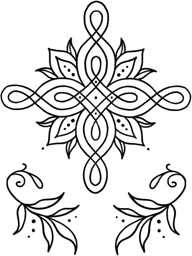
- Geometric shapes: small mandalas, circles, lines and simple patterns
Micro realism is the most technical kind. Some artists make tiny realistic eyes, landscapes, buildings or food that fit in a space the size of a fingernail. These need an artist with a lot of experience at small sizes, and they lose detail faster than simple line designs. Single-line designs, where one continuous line draws the whole image, are another popular option and tend to age better because they have fewer details to blur.
Where to put a micro tattoo
Placement matters more for micro tattoos than for almost any other style. The inner wrist is the most popular spot. It is fairly flat, usually not too painful, and easy to show or cover. Behind the ear is another favorite for small symbols or single words. The collarbone works well for designs that run sideways, like a short line of script, small flowers or a constellation.
The inner ankle, upper arm and shoulder blade are also good choices. They get less sun and less rubbing, so tattoos there tend to last longer. Finger tattoos are popular, but they fade faster than almost any other spot and often need touch-ups within a year or two. The same goes for hands and the sides of the feet. If you want your tattoo to stay sharp, pick an area where the skin stays fairly stable and does not rub against things all day. Our placement guide and pain chart can help you compare spots.
How micro tattoos age
All tattoo ink spreads a tiny bit in the skin over the years. On a large tattoo with bold black lines you barely notice it. On a micro tattoo, where lines sit very close together, even a little spreading can make details merge and the design look blurry. That does not make micro tattoos a bad idea. It means you should have realistic expectations and choose an artist who designs with aging in mind.
Good micro artists leave a bit more space between details than looks necessary when the tattoo is fresh, because they know the lines will soften over time. They may also put more ink in key areas so the design stays readable as it ages.
Sun protection makes a big difference at this size. Put a high-SPF sunscreen on visible micro tattoos every day once they have healed, and expect to need a touch-up every few years to keep a micro piece looking crisp. Our aftercare guide covers the first weeks of healing.
How much does a micro tattoo cost?
On Inkjin, most micro designs cost €150-€280.
A small size does not always mean a small price. Many studios have a minimum charge that covers setup, needles and cleaning, so even a tiny design costs about the same as a small tattoo. Artists who specialize in micro realism or very detailed fine line work often charge more because the work is slow and few artists do it well. Touch-ups also cost something, though many artists offer a free touch-up within a set time after the first session. To check a price for your own idea, try the tattoo price estimator.
How to choose a micro tattoo artist
Not every good tattoo artist does micro work well. It takes different equipment, a different technique and a very steady hand. When you look at portfolios, look for healed photos and not only fresh ones. Fresh micro tattoos almost always look great. Healed ones show the artist's real skill. Look for clean lines that keep the same thickness, with no blobs or blur. Ask to see pieces that are at least six months old so you can see how the work holds up.
Choose an artist who focuses on micro work over one who mostly does large pieces and only sometimes does small ones. A specialist will use fine needles and machines set up for delicate lines. They will also be honest with you. If your idea has too much detail for the size you want, a good micro artist will tell you and suggest making it bigger or simpler, instead of doing something that will blur within a year. Our guide to reading a tattoo portfolio shows what to check, and you can find artists on Inkjin who do micro and fine line work.